Understanding Lift Categories: When Your Project Needs an Engineered Lift Plan
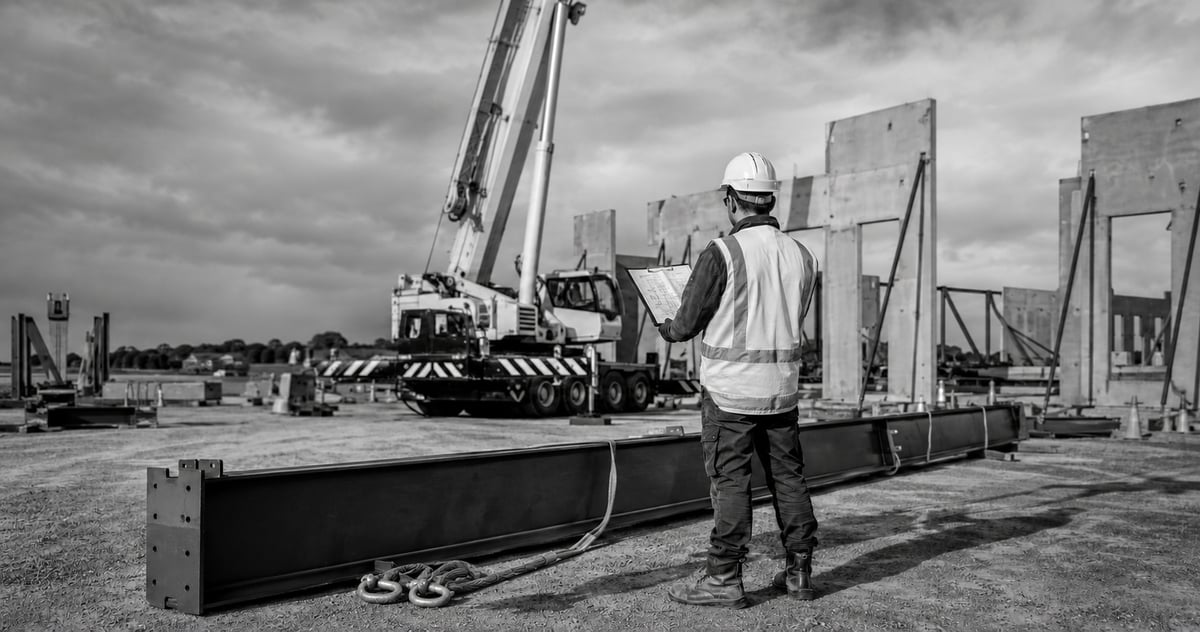
One of the most common questions we field from project managers and site supervisors is simple: does this lift need an engineered lift plan, or can we manage it under a standard procedure? Get the answer wrong and you're either burning budget on unnecessary documentation or, far worse, running a critical lift without the controls it demands. This post breaks down how lifts are categorised and where the line sits.
The Three Broad Lift Categories
Most lifting operations fall into one of three categories. Understanding which bucket your task lands in is the first step to getting the planning right.
- Basic (routine) lifts: Loads well within crane capacity, on stable ground, with clear access, no proximity hazards, and a known load weight. These are managed under a standard safe work method statement (SWMS) and the crane's load chart.
- Standard lifts: More involved but still within established procedures. May involve multiple rigging configurations, moderate proximity to structures, or loads approaching a higher percentage of chart capacity. These require a documented lift study and competent supervision.
- Complex (engineered) lifts: Lifts that demand engineering input and a formal, signed-off lift plan. This is where risk and consequence escalate significantly.
When You Cross Into Engineered Lift Territory
An engineered lift plan is required when the operation involves elevated risk factors that can't be adequately controlled by standard procedures alone. In our experience across WA sites, the following triggers should prompt an engineered plan every time:
- Loads exceeding roughly 75 percent of the crane's rated capacity for the working radius.
- Multi-crane or tandem lifts, where load sharing and synchronised movement introduce dynamic complexity.
- Lifts over live plant, occupied structures, roads, or public areas.
- Non-standard rigging arrangements, spreader beams, or lifting lugs that require load path verification.
- Loads with unknown, uneven, or shifting centres of gravity.
- Tilt-panel erection and structural steel where bracing, temporary stability, and connection sequencing matter.
- Ground conditions requiring bearing pressure calculations, crane mats, or piling assessment.
If any of these apply, the lift stops being a routine task and becomes an engineering problem that needs to be solved on paper before a single sling is attached.
What an Engineered Lift Plan Actually Contains
A proper engineered lift plan is more than a filled-in template. It should document the load weight and dimensions, verified centre of gravity, crane selection with load chart references at the actual radius, rigging configuration with certified capacities, ground bearing pressures against soil capacity, exclusion zones, wind speed limits, and a clear lift sequence. Where relevant it will carry sign-off from a qualified engineer, particularly for tilt-panel, tandem lifts, and heavy equipment installation.
WA Context and Regulatory Expectations
In Western Australia, lifting operations sit under the Work Health and Safety (General) Regulations 2022 and are informed by AS 2550 for crane safe use and the relevant lifting codes of practice. Principal contractors carry a clear duty to ensure high-risk lifts are planned and supervised by competent people. On resource sector shutdowns in the Pilbara and Goldfields, client standards often exceed the legislative minimum, and many major operators mandate engineered lift plans for anything above defined weight or complexity thresholds. Assuming a client will accept a basic SWMS for a borderline lift is a fast way to lose access to site.
Practical Advice for Project Teams
- Classify lifts early, ideally at the planning and scheduling stage, not the morning of the pick.
- When in doubt, treat the lift as more complex, not less. The cost of an engineered plan is trivial against the cost of a dropped load or an incident.
- Confirm load weights from fabrication drawings or weigh the item. Guessed weights are a leading cause of overload.
- Bring your rigging partner into the conversation before crane hire is locked in, so crane selection matches the real lift study.
Getting lift categorisation right protects your people, your program, and your standing with the client. If you're unsure where a lift sits, talk to us before it hits the schedule. We plan lifts to be executed safely the first time, with the documentation to back every decision.
Free quote
GET YOUR LIFTING
PROJECT QUOTE IN MINUTES.
