Dogging vs Rigging vs Advanced Rigging: Which Licence Your Project Actually Needs
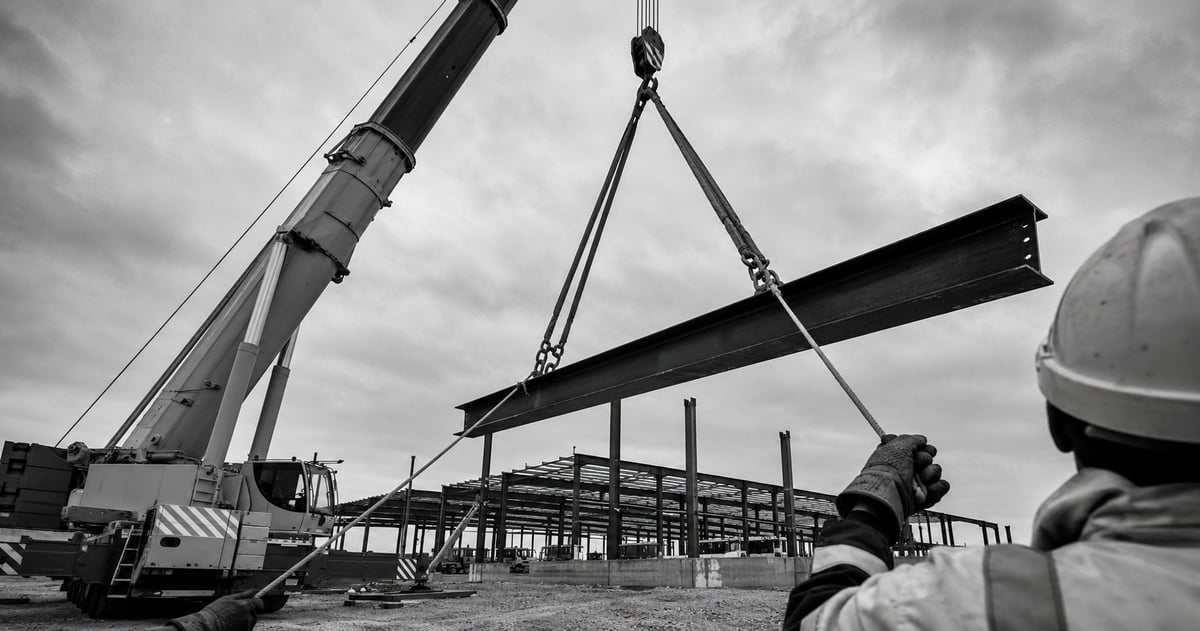
One of the most common compliance failures we see on WA sites is a mismatch between the work being done and the licence class held by the person doing it. A dogger cannot supervise a steel erection. A basic rigger cannot rig a demolition sequence. Getting this wrong exposes your project to WorkSafe WA enforcement, insurance problems, and — far worse — the risk of a dropped load. This post breaks down each licence class, what it actually covers, and how to scope the right ticket for your job.
The Licence Framework in WA
High-risk work licences (HRWL) in Western Australia are issued under the nationally harmonised system administered by WorkSafe WA. They are portable across states, which matters when you are pulling crews from the eastern states for a shutdown. Each class has a specific code and a defined scope. The relevant licences for lifting and rigging work are dogging (DG), basic rigging (RB), intermediate rigging (RI), and advanced rigging (RA). Crane operation is a separate set of licences again.
Dogging (DG)
Dogging is the foundation. A dogger is licensed to select and inspect lifting gear, estimate load weight, and direct the crane operator when the load is out of the operator's line of sight. Dogging covers the application of slinging techniques and the directing of a crane's movement.
What a dogger cannot do is erect or dismantle structures, or work with systems that require a rigging licence. If your task is straightforward load movement — landing precast, shifting plant, feeding materials to height — and the load path is clear, a dogger is the correct ticket. Every rigger must hold dogging as a prerequisite, but not every dogger is a rigger.
Basic Rigging (RB)
Basic rigging builds on dogging and adds structural work. It covers:
- Structural steel erection
- Hoists
- Mast climbers and static lines
- Safety nets and perimeter safety screens
- Cantilevered crane loading platforms
- Precast concrete panel placement (tilt-up)
For a large amount of WA construction work — commercial steel frames, tilt-panel builds, standard structural erection — basic rigging is the licence you need. If your project is a tilt-panel warehouse in Kwinana or a structural steel job in the Perth metro, RB will usually cover the crew.
Intermediate Rigging (RI)
Intermediate rigging extends the scope into more complex work:
- Rigging of cranes, conveyors, dredges and excavators
- Tilt slabs
- Demolition of structures
- Dual lifts
Dual lifts — where two cranes lift a single load — are the key trigger here. If your lift plan involves two cranes sharing a load, or you are rigging plant like a tower crane or a large conveyor, intermediate is the minimum. This is common on resources and infrastructure work across WA.
Advanced Rigging (RA)
Advanced rigging is the top tier and covers the most complex and highest-consequence work:
- Rigging of gin poles and shear legs
- Flying foxes and cableways
- Guyed derricks and structures
- Suspended scaffolds and fabricated hung scaffolds
If your project involves guyed structures, cableways, or complex suspended systems — the kind of work you see on major resources projects, ports, and heavy infrastructure in the Pilbara and Mid West — you need advanced-ticketed riggers. Do not assume an experienced RB holder can step up; the scope is legally defined.
How to Scope the Right Licence
Start with the lift study, not the crew. Define the load, the method, and the equipment first, then match the licence class to the task. Two questions cut through most confusion: Are you erecting or dismantling a structure? And are you using more than one crane on a single load? A yes to structural work pushes you past dogging into rigging. A yes to dual lifts pushes you into intermediate.
On multi-scope projects — a shutdown that involves plant rigging, steel work, and load movement — build a competency matrix so every task is covered by the correct ticket. WorkSafe WA inspectors will check this, and principal contractors carry the duty to verify it.
Get It Right Before Mobilisation
Licence mismatches are almost always avoidable. They come from scoping crews before scoping the work. If you are unclear on which class your job demands, get the lift plan reviewed early. Lake Rigging WA can assess your scope and confirm the licence classes your project actually needs before anyone hits the deck.
Free quote
GET YOUR LIFTING
PROJECT QUOTE IN MINUTES.
